Nature of Ferrolterra
Atlantic forest, record-breaking cliffs, rías and wetlands of international importance. This is what grows, flies and swims in Ferrolterra — and why.
The Atlantic forest and native trees
The fraga (Atlantic deciduous forest) is the emblematic ecosystem, with the Fragas do Eume (Pontedeume, A Capela, Cabanas, Monfero and As Pontes) as its jewel, with pockets like the Fraga de Os Casás in Cerdido. Native species include:
- Carballo (oak) — the king of the Galician forest.
- Castiñeiro (chestnut), bidueiro (birch), ameneiro (alder) and salgueiro (willow) along the rivers.
- Freixo (ash), pradairo (maple), abeleira (hazel), acivro (holly), loureiro (laurel) and érbedo (strawberry tree).
The Fragas do Eume alone hold over 500 vascular plant species: it's rare to find so close to the Atlantic such an extensive, well-preserved native forest, with a continuous canopy running from sea level to the heights of the Serra da Loba.
Heath, dunes and flora
Beyond the forest the heath takes over: toxo (gorse), xesta (broom) and heather, which turn the hills yellow and purple. On the dunes of Pantín, Frouxeira or Doniños grow sand-binding species, many of them protected.
Wildlife: mammals and wild horses
In rivers and forests: otter, wild boar, roe deer, badger, fox and red squirrel. On the Serra da Capelada live the famous wild horses (bestas) of the rapa das bestas.
Birds: the Frouxeira and the cliffs
The Frouxeira lagoon (Valdoviño) is a Ramsar wetland and SPA: thousands of waterbirds and migrants. The Kentish plover nests here — which is why dogs are banned on some beaches. On the Herbeira and Ortegal cliffs: peregrine falcon, shag and large gull colonies. Another wetland of international importance for birds is the Ría de Ortigueira e Ladrido (Cariño, Ortigueira, Mañón).
The sea and the rías
The rías yield mussels, clams, cockles, velvet crab, spider crab and, on the cliffs, gooseneck barnacles. Dolphins appear offshore. It's an economy and a larder: shellfishing is part of comarca life.
Geology and soils
The bedrock is granite and slate. At Cabo Ortegal, ultramafic rocks among the oldest and most unusual in Europe surface. The soils are acidic and brown, rich in organic matter from the wet climate — which is why grelos, potatoes and chestnuts thrive, and the land suits meadow and forest.
UNESCO Global Geopark
Since 2023, Cabo Ortegal is a UNESCO Global Geopark: the only one on the Iberian Peninsula recognised that year, and the second in Galicia. It spans the Ferrolterra and Ortegal coast. Its treasure is rock that rose from the depths of the Earth almost 400 million years ago, a witness to the collision that formed Pangaea; it's one of the few places on Earth where mantle rock surfaces. More at xeoparquecaboortegal.gal.
Invasive species
Eucalyptus, acacia/mimosa and pampas grass displace the native forest and raise the wildfire risk. Recognising them and not planting them helps preserve the fraga.
Protected areas
Fragas do Eume Natural Park · Valdoviño lagoon (Frouxeira, Ramsar) · Costa Ártabra and Serra da Capelada (Natura 2000) · Cabo Ortegal · Ría de Ortigueira e Ladrido (Ramsar). And waterfalls across the comarca: the Belelle (Neda), Graxoiba and Recemel (As Somozas) or those of the río das Mestas (Cerdido). Visit with respect: in protected areas, keep to the paths and the rules.
Emblematic species
A few of the species that make Ferrolterra's nature special — and why. Freely-licensed photos from Wikimedia Commons.
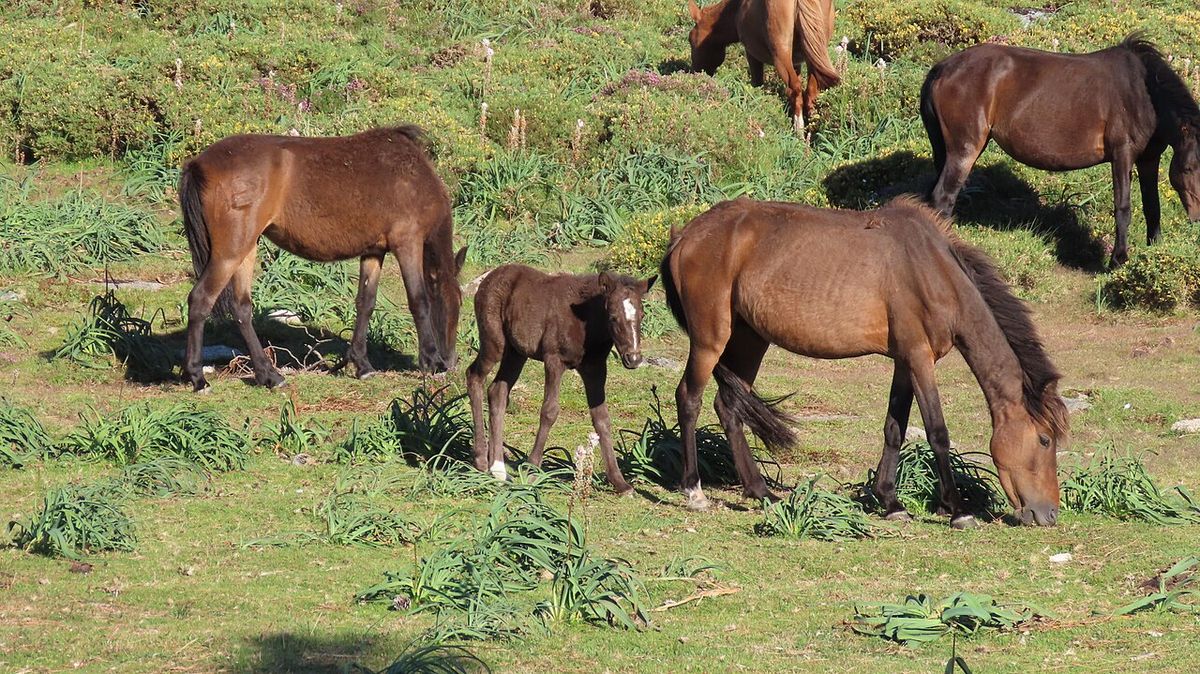
Wild horses (bestas) Cabalo galego · besta
In Ferrolterra's hills, such as the Serra da Capelada, horses graze free all year round — one of Europe's last semi-wild horse populations. Each summer the rapa das bestas brings people together to round up the animals and cut their manes by hand, a centuries-old tradition.
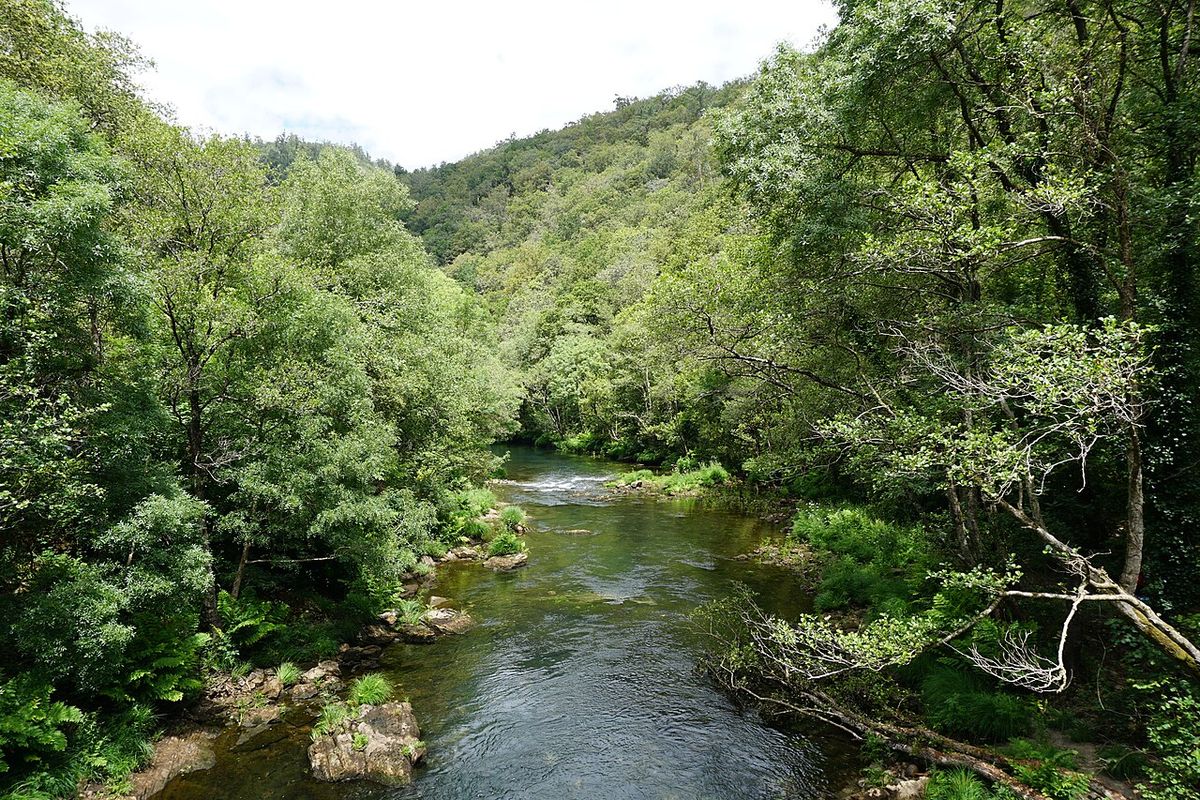
The fraga (Atlantic forest) Carballo · Quercus robur
The native Atlantic woodland: oaks, chestnuts and alders under a blanket of ferns and moss. The Fragas do Eume, between Pontedeume, A Capela, Cabanas and Monfero, are one of the best-preserved Atlantic riverside forests in Europe.
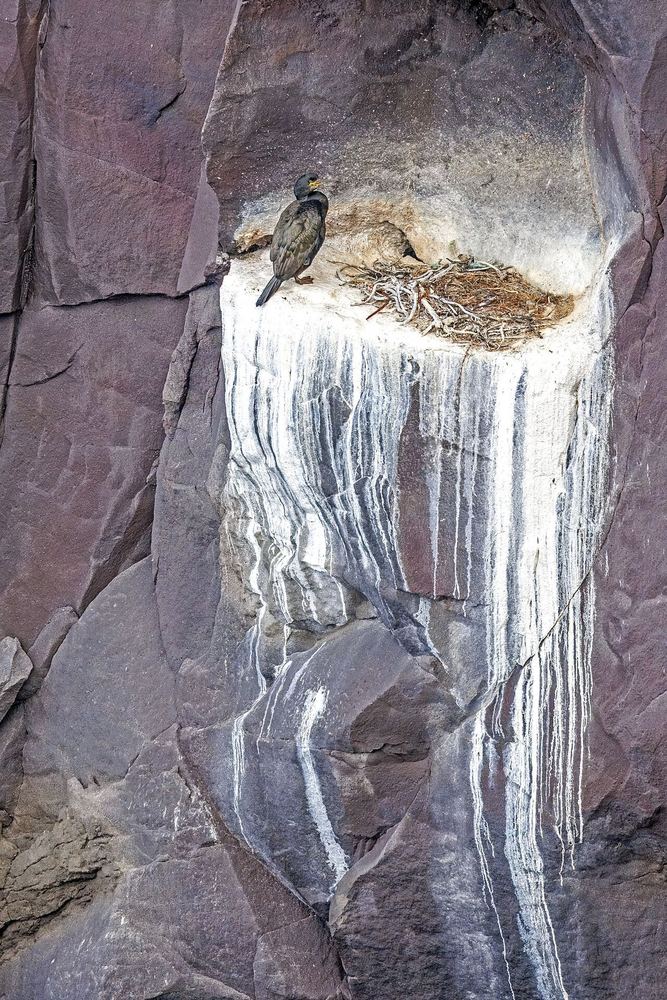
European shag Gulosus aristotelis
A marine bird with black, green-glossed plumage that breeds on the Atlantic cliffs — like those of Herbeira, among the highest in continental Europe. It dives to fish and is often seen perched with wings spread, drying in the sun.
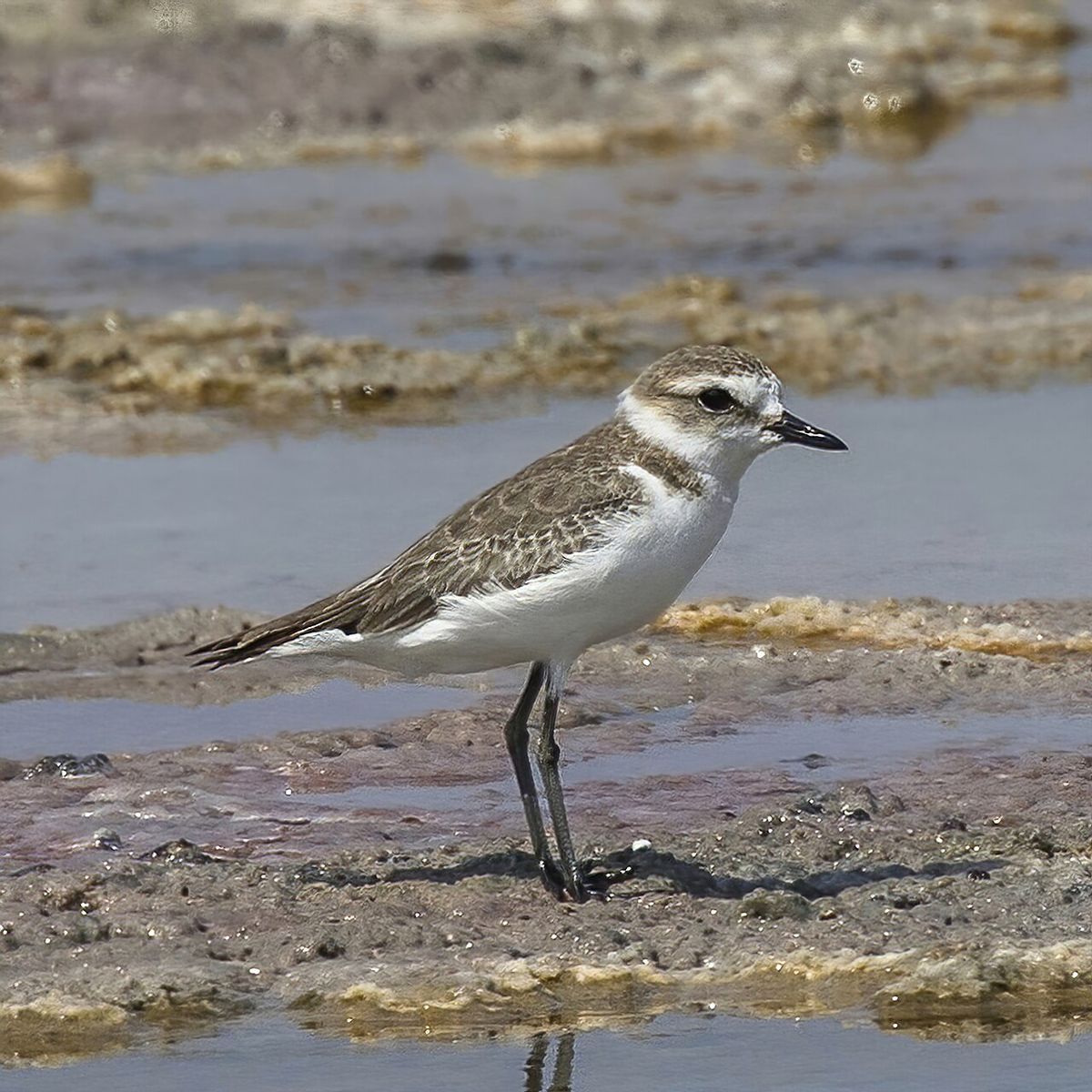
Kentish plover Charadrius alexandrinus
A small bird that nests on the ground, on the open sand of beaches like A Frouxeira and Pantín. Its eggs are camouflaged and easily trodden on, so in the breeding season keep to the paths — which is why dogs are restricted on some beaches.
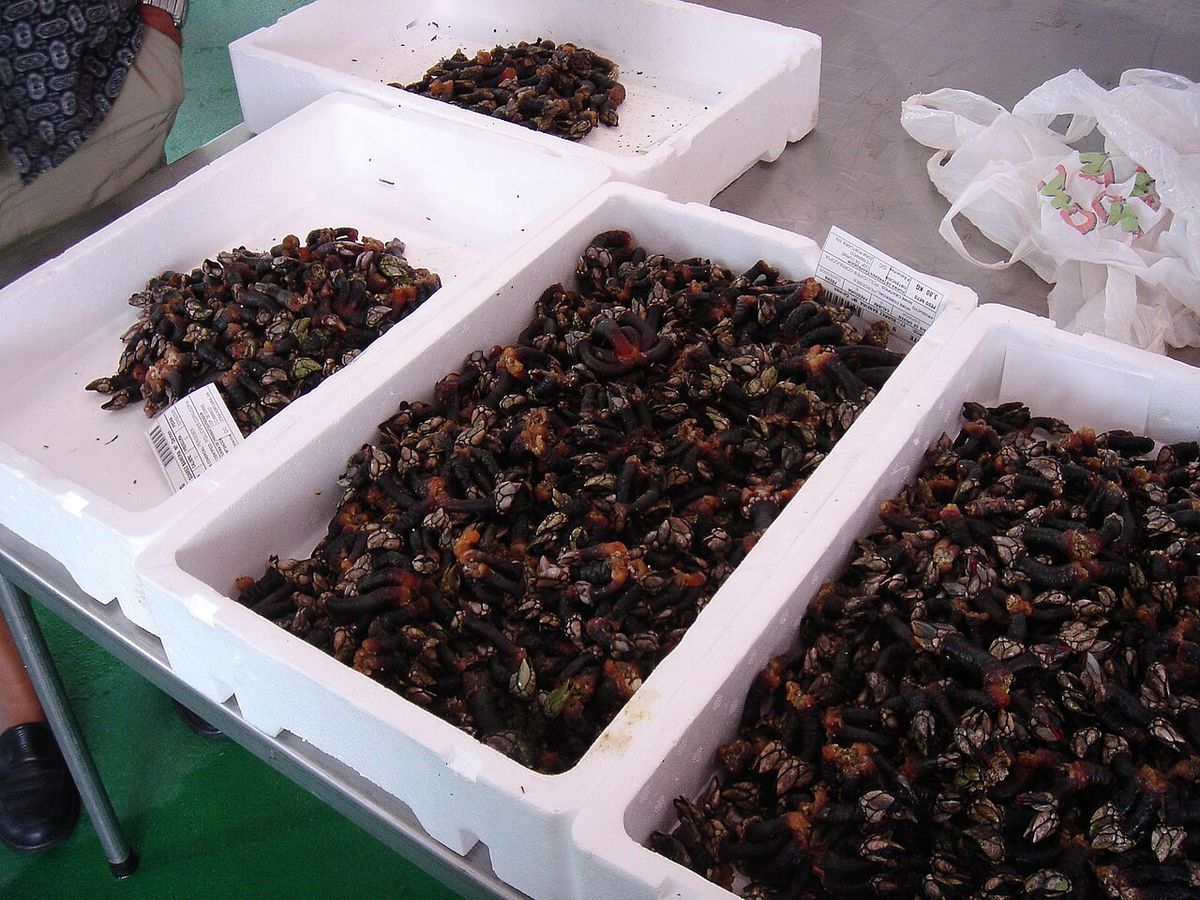
Goose barnacle (percebe) Pollicipes pollicipes
A crustacean that clings to the most wave-battered rocks. On the cliffs of Cabo Ortegal and Cedeira, the percebeiros prise it off amid the waves at real risk — which is why it's one of Galicia's priciest, most prized shellfish.
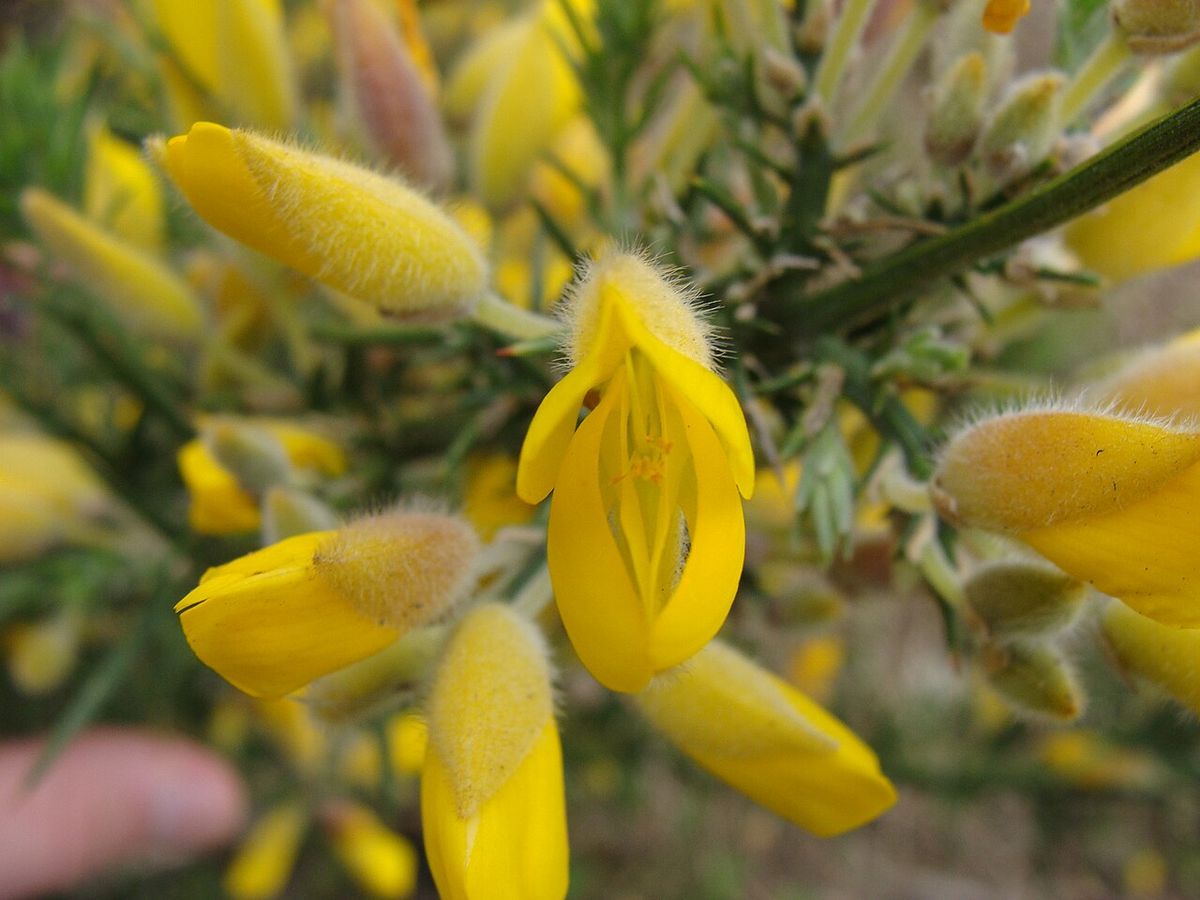
Gorse (toxo) Ulex europaeus
It paints the Galician hills yellow for much of the year. A spiny shrub that fixes nitrogen and enriches the soil; it was traditionally cut for animal bedding and manure (estrume) and for firewood.